Pulmonary Function and Respiratory Physiology Lab
Lundquist Institute
About
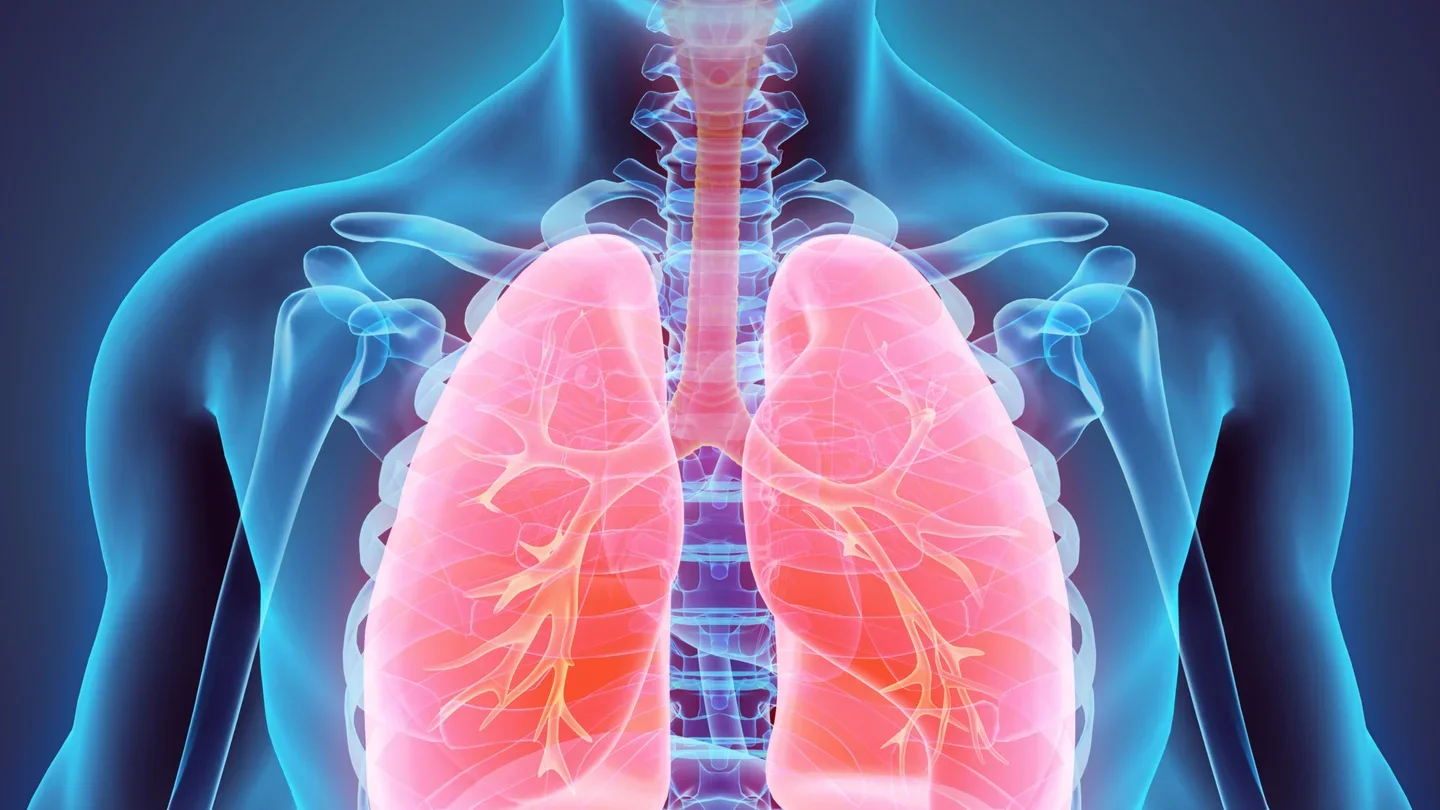
The Pulmonary Function and CPET Exercise Physiology Lab, part of the Airway & Exercise Physiology Research Lab, specializes in COPD research from pediatrics through geriatrics and houses a multitude of spirometers, oscillometers, body plethysmograph equipment for measuring spirometry, lung volumes, diffusing capacity, and bronchodilator challenge to assess lung function. We also have state of the art facilities for performing Cardiopulmonary Exercise Tests (CPET). Our facilities include clinical and research subject encounters, interviews, resting ECG’s, and blood and sputum samplings. Moreover, physical performance tests such as the six-minute-walk-test, hand grip strength test and short-physical-performance battery can be assessed. The lab is highly-experienced in multicenter trials using PFT and CPET and has acted as the primary reading and quality control site in many clinical trials.
Leadership
Services
Centralized CPET Data Processing
Faculty at The Lundquist Institute are world-leaders in CPET and interpretation and teach these skills at the foremost practicum in this discipline. With these expertise we have developed a centralized CPET data processing Core Laboratory that can accept CPET data from all commercially available CPET vendor systems and process this using an FDA compliant workflow and methodology to produce a standardized output.
We have experience in working with industry-sponsored international multicenter clinical trials that use CPET to set inclusion/exclusion criteria and as primary end-points to assess clinical efficacy.
CardioPulmonary Exercise Test – CPET
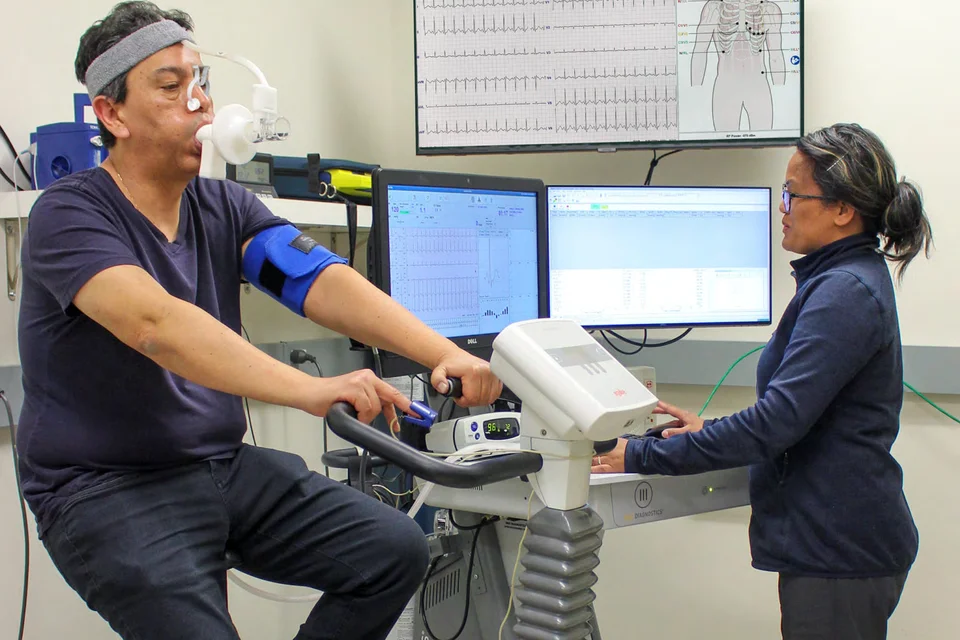
The Cardiopulmonary exercise testing (CPET) core laboratory supports investigators in studies which have exercise-related outcomes. The CPET laboratory provides consultation, training and services for assessment and analysis of gas exchange responses during cycle ergometry or treadmill exercise tests. This allows for measurement of a plethora of gas exchange variables that describe physiologic function and that are known to be strongly prognostic (e.g. the lactate threshold, V̇E/V̇CO2 slope, V̇O2peak, V̇O2peak/kg).
CPET has a long history at the Lundquist Institute and was developed by Drs. Wasserman and Whipp at Harbor-UCLA in the late 1960’s and 1970’s.
Since then, Faculty members continue to contribute to international guidelines that provide a framework for the application and interpretation of CPET. Highly experienced Lundquist Institute investigators remain active in pioneering CPET research that includes leading development of innovative methodologies and analysis techniques. This work is facilitated by dedicated research facilities that allows for measurement of breath-by-breath gas exchange during exercise along with important ancillary measures such as ECG, NIRS, EMG and TcPCO2 that enrich the information and interpretation garnered from CPET.
Pulmonary Function Test – PFT
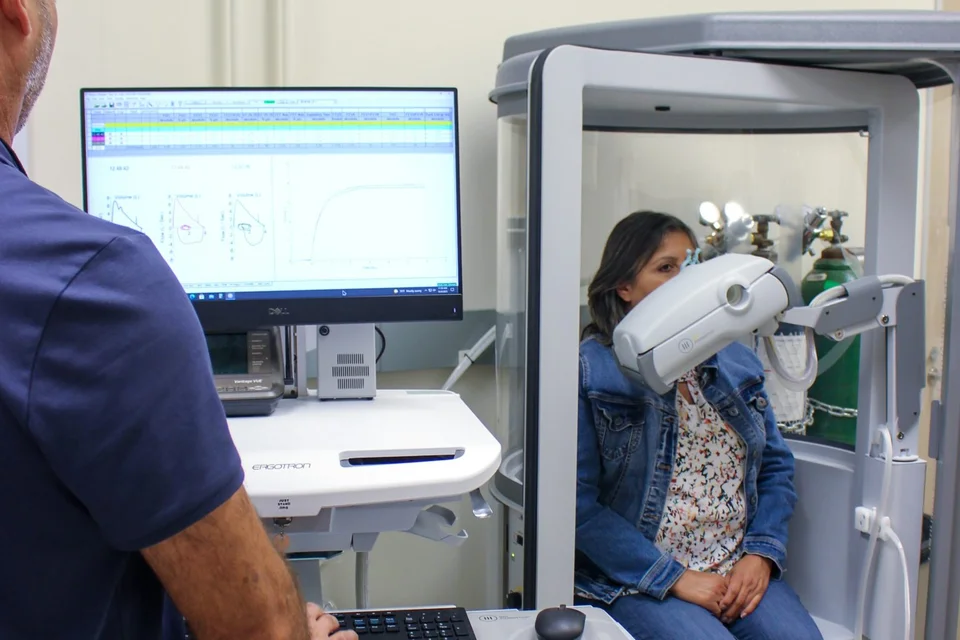
The Pulmonary Function Test (PFT) core laboratory supports investigators in clinical trials that non-invasively assess lung function and lung volumes using spirometry, DLCO and body plethysmography. Our laboratory also has the capacity to assess airway resistance at rest and during exercise using impulse oscillometry.
The PFT laboratory provides consultation, training and services for assessment and analysis of PFT responses. Our PFT laboratory has extensive experience in performing these measurements in single center and multicenter clinical trials that are sponsored by industry, federal and foundation funding to assess the severity of a range of lung diseases.
Physical Function
We have laboratory facilities to assess different aspects of muscle function. This includes a Biodex dynamometer that allows for assessment of muscle force during isotonic, isometric or isokinetic contractions for a wide range of joints. This device can also employ a methodology that allows assessment of muscle fatigue. Additional capabilities for assessing muscle function include muscle electromyography.
To assess isolated muscle function we have expertise in measuring muscle oxidative capacity non-invasively using near infrared spectroscopy (NIRS ). Furthermore, we have capabilities for sampling, processing and analyzing muscle biopsies (also refer to High-Resolution Respirometry core laboratory).
High-Resolution Respirometry (HRR)
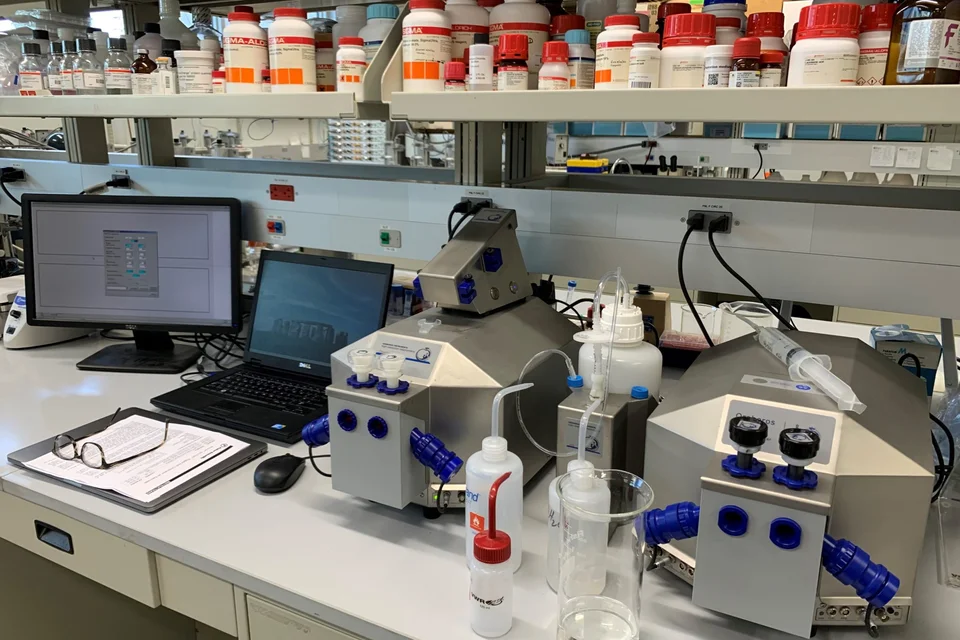
The High-Resolution Respirometry (HRR) Core supports investigators in mitochondrial physiology and pathophysiology studies. The core provides consultation, training, and services for assessment of oxidative phosphorylation in isolated mitochondria, cells, vesicles or tissue preparations. The HRR Core uses Oroboros Oxygraph-2k High Resolution Respirometry and Fluorometry equipment. Applications of HRR include:
- Diagnosis of acquired and genetic mitochondrial diseases, myopathies, and neuromuscular pathologies
- Study of pathologies with reduced cellular respiration
- Studies on cell function and cell death
- Aging and senescence
- Oxidative stress and antioxidant systems
- Ischemia-reperfusion injury
- Cancer research / pharmacological tests
- Environmental stress
- Metabolic substrate balance